With more than 500 matching parts, the Fendt 413 Vario from the Fendt 400 series is well covered, for example for lighting, electrics and trailer couplings.
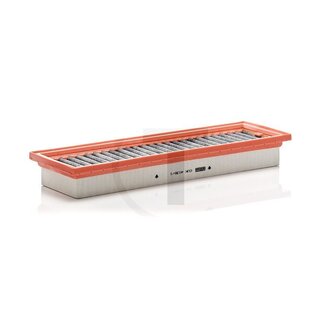
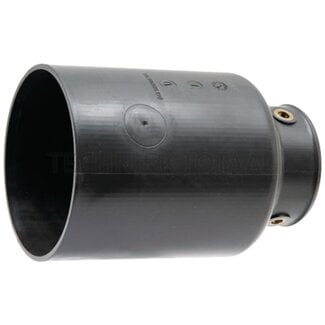
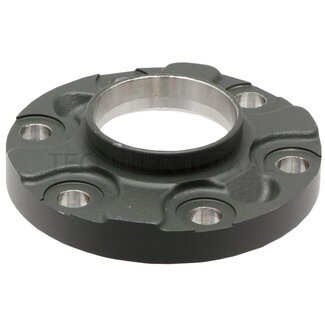
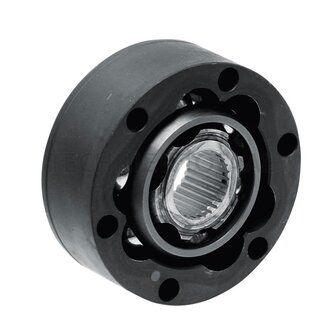
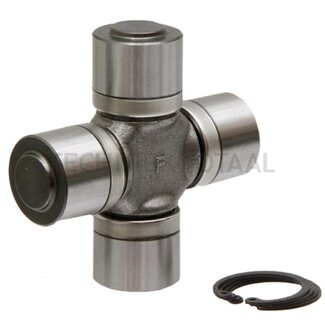
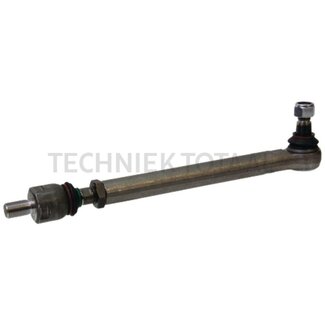

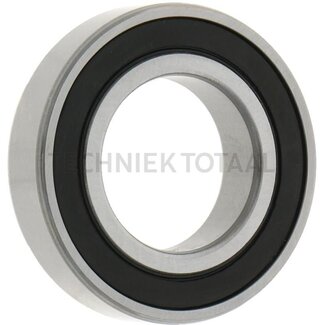
A Fendt 413 Vario works long days, often well into the evening, and the parts people need for it reflect that: lighting, cab fittings, charging and hitching. This page holds more than 500 parts that fit this tractor, from GRANIT, HELLA, Wabco, Scharmüller and GRAMMER.
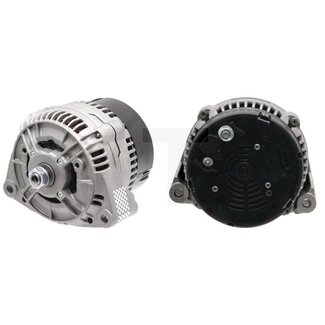
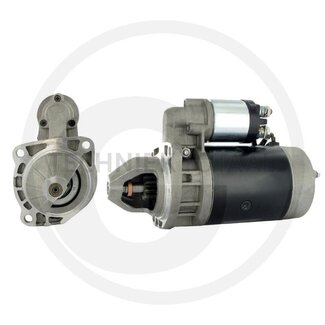
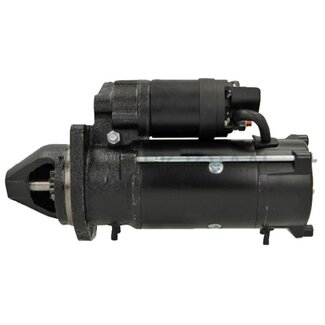
There are alternators, starter motors and sensors, together with O-rings and seals for the engine. Before you swap an alternator, disconnect the battery and check the belt and the tensioner. A slipping belt can look like a charging fault, and a new alternator will not cure it.
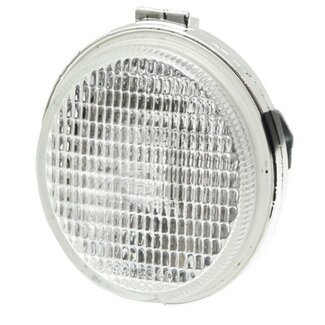
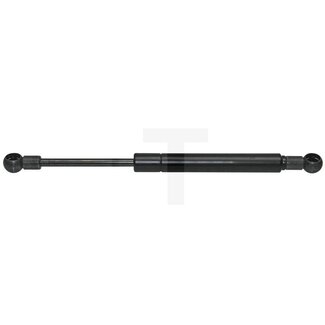
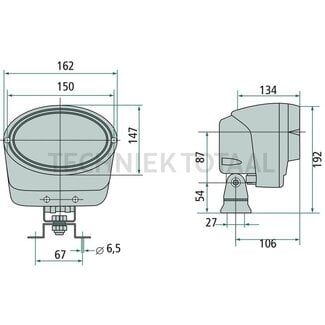
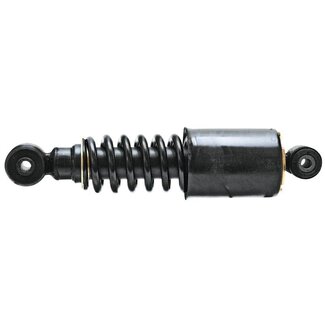
Work lamps come in halogen and LED versions, including an LED spotlight, along with beacons for the roof. Holders and brackets let you mount an extra lamp. In the cab you will find handles, gas struts for the windscreen frame and push button switches, such as the hazard light switch.
When you change to LED lamps, make sure the earth connection is clean. A corroded earth is the usual reason an LED lamp flickers or cuts out. A smear of contact grease on the plug keeps moisture away.
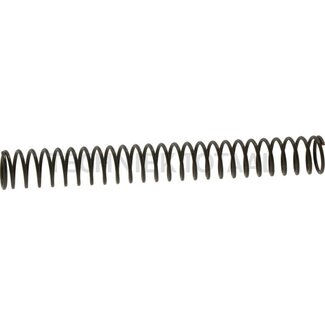
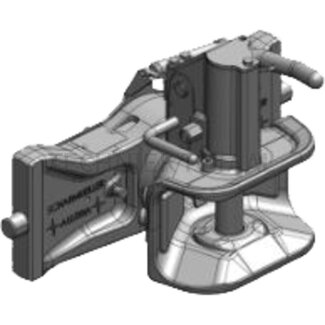
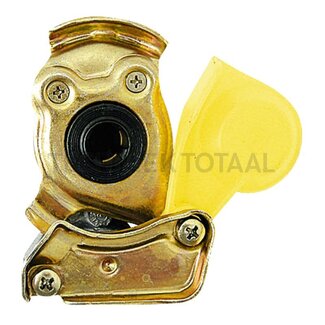
For towing there are drawbars, pins and springs, plus Wabco connector heads for the air brake. Use the dust caps whenever no trailer is hooked up, so dirt does not end up in the trailer brake valve.
The 413 Vario belongs to the Fendt 400 series, but parts differ between the models in that series. Check the type plate first, then look for the reference number on the old part. Fendt often stamps it into a casting or prints it on a label. Hold that number up against the information listed with the product.
Each neighbouring model in the series has its own page showing the parts that fit it:
For older Fendt tractors such as the Farmer and Favorit, or any other model from the brand, go to Fendt parts.
A final note on the gas struts for the windscreen frame. Replace them as a pair where possible, since a tired strut next to a new one makes the frame twist and strains the hinges. If the mounting allows, fit them rod down, which keeps the internal seal lubricated and helps them last. Push button switches, such as the hazard switch, usually clip into the panel, so ease them out gently from behind rather than prising at the front.