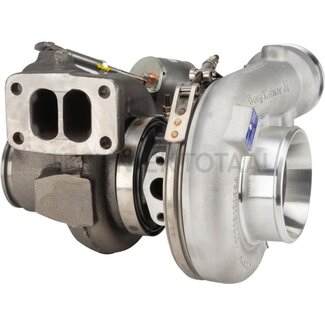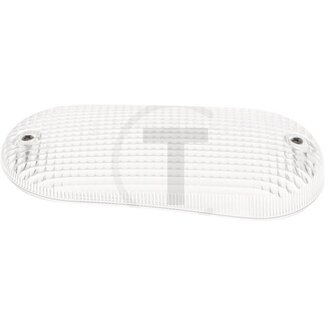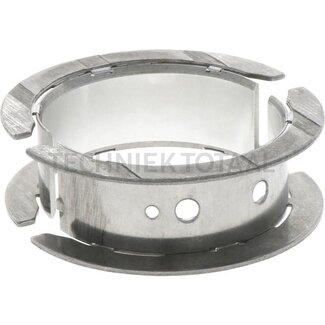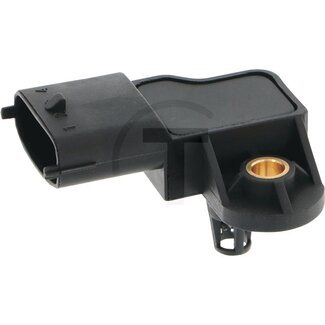
Also known as the IHC 5140, the Case IH 5140 has more than 80 matching parts here, including parts for brakes and transmission, electrics and lighting.
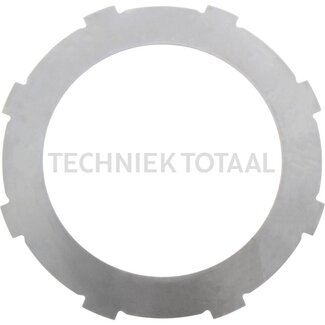
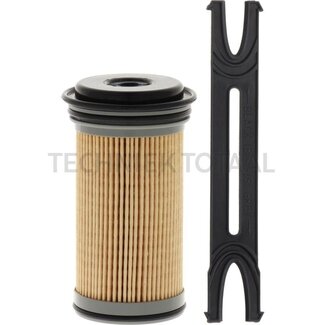
Many Case IH 5140 parts requests come down to the transmission, and this page reflects that. Alongside engine and air conditioning items, a good share of the more than 80 parts listed here are gears, shafts and other gearbox components. The tractor is still often called the IHC 5140. Brands include Eaton, GRANIT, MAHLE, WAECO and MANN-FILTER.
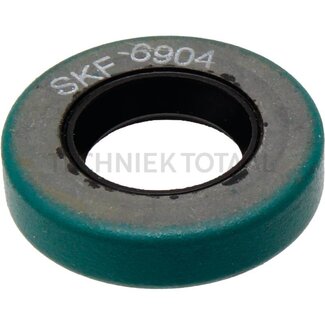
You will find gear wheels, shafts, hubs, cones, thrust washers, washers, transmission gaskets and even transmission housings. When you open the gearbox, lay every thrust washer and shim out in the order it came out. Together they set the gear clearances, and a washer in the wrong place leads to whine or early wear. Always fit new gaskets, even if the old ones look fine.
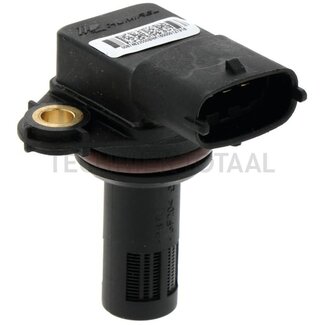
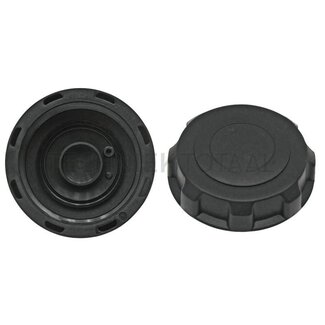
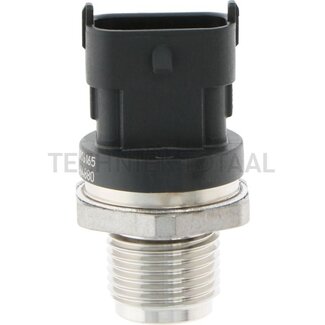
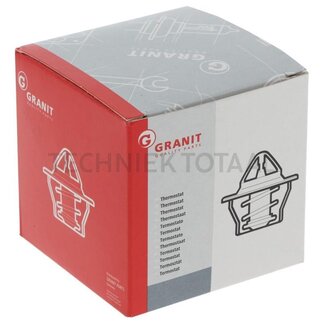
For the engine there are thermostats, temperature sensors, other sensors and a rail pressure sensor. A tank cap that no longer seals can be replaced as well. The air conditioning is covered by compressors and pressure switches for the refrigerant line.
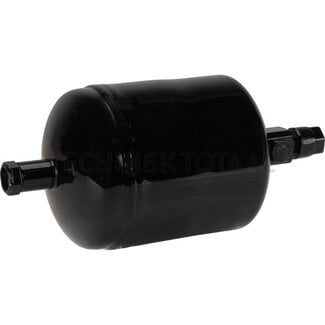
If you replace the compressor, have the receiver drier changed and the system evacuated before it is refilled. Moisture left in the circuit will wear out a new compressor quickly.
If the type plate reads IHC 5140 or Case IH 5140, you are on the right page. For transmission parts the reference number on the old part is the key. Case IH usually stamps it into the gear, shaft or housing, so clean the part, read the number carefully and compare it with the details shown with the product. On sensors the number is often printed on the body or the connector.
From the same series, the Case IH 5130 has its own page with the parts that fit that model, handy if you run both tractors. For every other model from the brand, visit Case IH parts.
One more tip on thermostats: fit the new one with the bleed hole at the top if it has one, then top up the coolant slowly with the engine idling. That lets trapped air escape from the block and stops the temperature gauge from creeping up a few minutes later.
Before blaming a sensor or pressure switch, unplug it and clean the pins. A green, corroded contact throws the same fault as a failed sensor. Work especially cleanly around the rail pressure sensor, because dirt in the fuel system can damage the injectors.