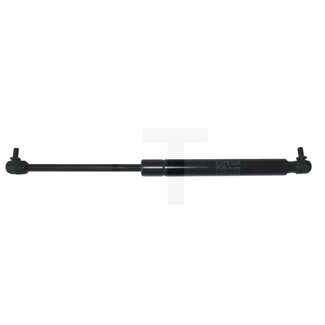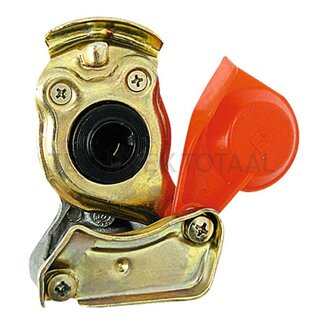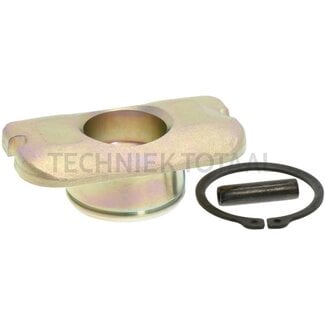
Matched to the John Deere 6150M of the 6M series: more than 300 parts, among them trailer couplings, electrics and lighting for this tractor.
Long days of heavy towing put the hitch, the electrics and the PTO of a John Deere 6150M under heavy strain. This page brings together more than 300 parts for it, from GRANIT, ROCKINGER, Sauermann, Scharmüller and Walterscheid.
The 6150M belongs to the John Deere 6M series. The type plate confirms the model, but parts can differ between tractors in the series, so the reference number on the old part settles it. On sensors it is printed on the housing, and on clutch plates it is sometimes on the edge. Compare it with the details shown with the product before ordering.
Other 6M series models with their own page:
Each page shows only the parts that fit that tractor. The 6130M and 6175M also belong to this series. For the rest of the brand, go to John Deere parts.
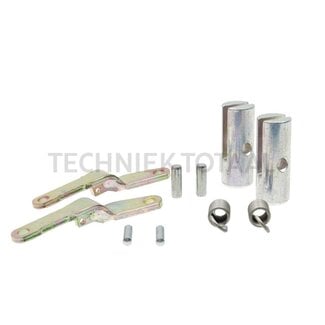
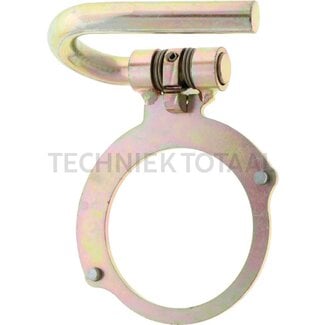
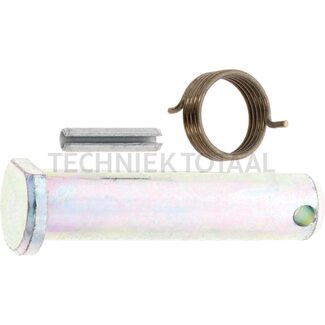
There are drawbars, including an automatic type, drawbar frames, flange hitches and trailer couplings. For trailers with steered axles there is forced steering, such as a version welded at both ends with a lock. Before the first run, turn to full lock and check that the rod moves freely. A rod that binds in a tight turn can damage the hitch.
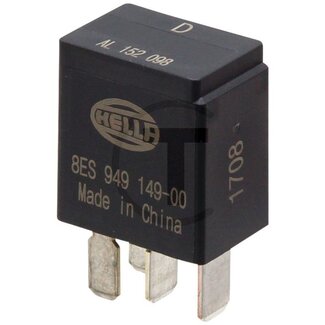
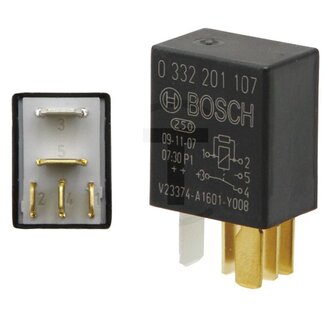
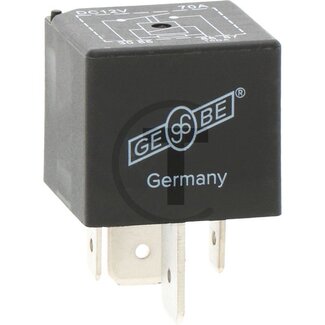
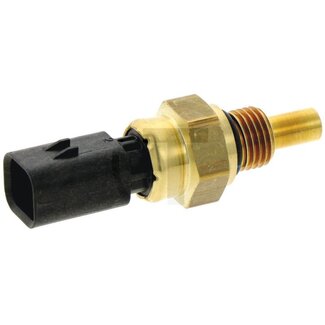
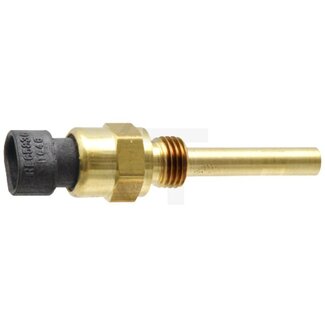
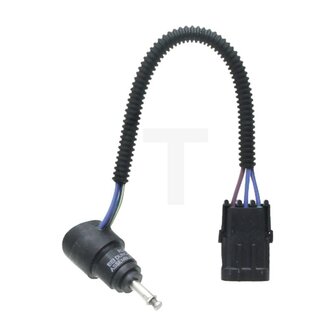
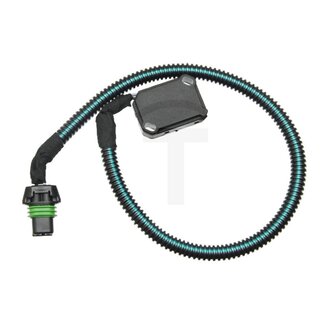
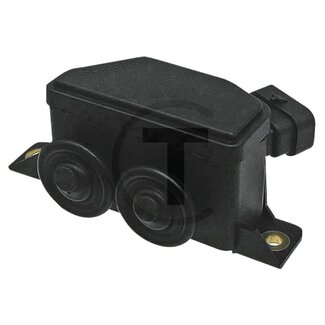
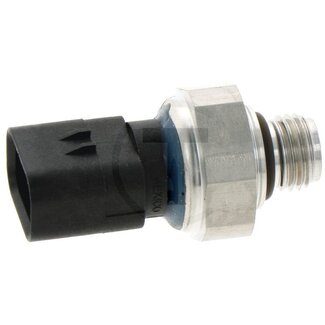
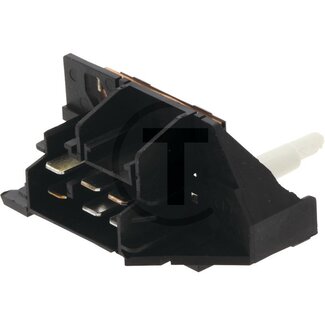
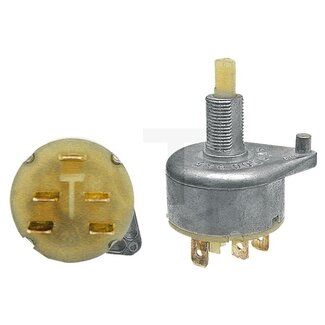
Alternators, relays, micro relays, contact switches and sensors cover the electrical side, including a fuel pressure sensor. LED work lights and spotlights provide the lighting. When replacing a relay, check the contact type. A changeover relay behaves differently from a make contact relay, even if the base fits.
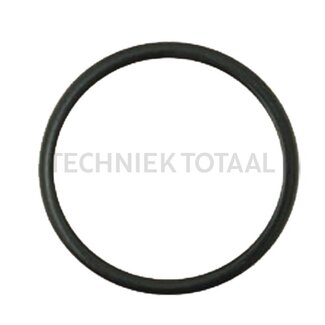
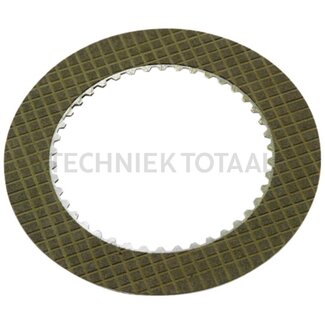
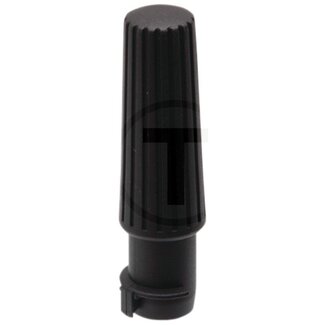
There are O-rings, for instance for the fuel line, plugs and internal plates, such as those for the PTO shaft. Soak new plates in the system oil before fitting and rebuild the pack in the same order as the old one. While it is apart, look at the steel plates and the pressure plate for blue discolouration, a sign of overheating that means they should be replaced too. Black handles for the cab are listed too.
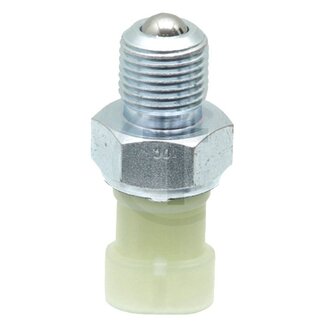
With the fuel pressure sensor, cleanliness matters most. Clean around the sensor before you unscrew it and cap the opening straight away so no dirt enters the fuel system. Check the plug for corrosion as well, because an oxidised pin gives the same fault code as a dead sensor.